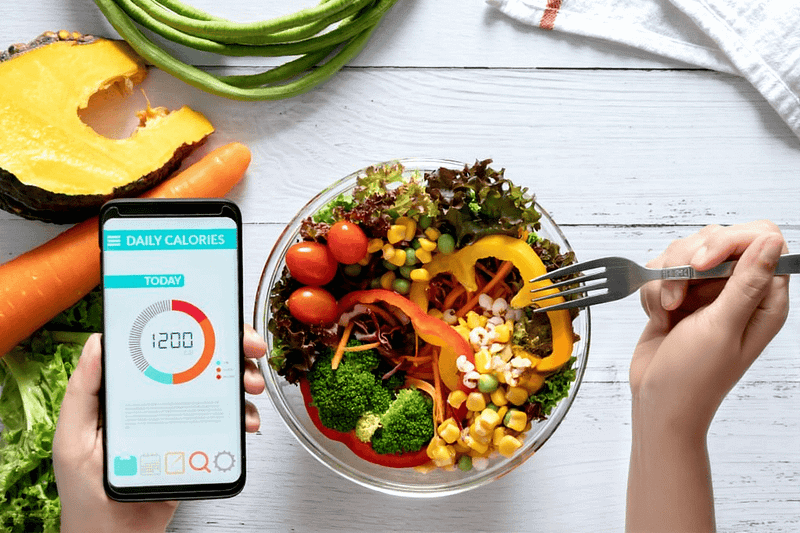
As we navigate through 2026, Australians are embracing digital health solutions like never before. Whether you’re looking to improve your mental wellbeing, track your fitness goals, get better sleep, or manage your nutrition, there’s an app designed specifically to help you thrive. Gone are the days of one-size-fits-all approaches to wellness. Today’s health apps offer personalised insights, evidence-based strategies, and accessible support right in your pocket.
The wellness app market has evolved significantly, with many platforms now featuring artificial intelligence, seamless device integration, and programs developed by Australian psychologists and health experts. With so many options available, choosing the right app for your needs can feel overwhelming. This guide breaks down the top wellness apps available to Australians in 2026, helping you make informed decisions about your health journey.
Mental Health and Mindfulness Apps
Smiling Mind
When it comes to Australian-made mental health apps, Smiling Mind stands as the gold standard. Developed by psychologists and educators right here in Australia, this not-for-profit app has been supporting mental fitness for over 12 years. What makes Smiling Mind particularly special is its completely free access to evidence-based mindfulness programs tailored for all ages, from young children to adults.
The app features programs in Indigenous Australian languages, making it one of the most inclusive wellness platforms available. Whether you’re dealing with stress, anxiety, or simply want to build mental resilience, Smiling Mind offers guided meditations based on positive psychology that fit seamlessly into your daily routine. The platform was named the number one Apple Health and Wellbeing App in 2018, and it continues to evolve with new content and features.
Headspace
Headspace has become synonymous with meditation for beginners. This user-friendly app takes the intimidation out of mindfulness practice with its structured approach and approachable guidance. Starting with a free 10-day beginner course, Headspace walks you through meditation fundamentals with clear, encouraging instruction.
The app offers sessions ranging from three to 25 minutes, making it easy to fit mindfulness into even the busiest schedules. Beyond meditation, Headspace includes sleep stories, breathing exercises, and home workout videos. The subscription costs approximately 100 dollars per year, with a seven-day free trial to test the platform before committing.
Calm
For Australians seeking comprehensive sleep and relaxation support, Calm delivers an extensive library of content. The app features over 500 sleep stories narrated by well-known voices, guided sleep meditations, and calming soundscapes designed to help you drift off naturally. Beyond sleep, Calm offers meditation sessions covering topics like stress management, confidence, creativity, and focus.
Sessions range from two to 30 minutes, with customisable nature scenes and music tracks to create your ideal relaxation environment. While Calm requires a subscription after a seven-day free trial, with annual pricing around 80 dollars, many users find the investment worthwhile for the quality and variety of content available.
Insight Timer
With approximately 120,000 guided meditations available, Insight Timer boasts one of the most extensive free libraries of any meditation app. The platform connects users with thousands of meditation teachers worldwide, offering both pre-recorded sessions and live group meditations. What sets Insight Timer apart is its community focus, with discussion forums and the ability to connect with fellow meditators.
The app includes dedicated sections for sleep, 30-day challenge courses, and a customisable meditation timer with interval bells. While many features remain free, a premium subscription unlocking additional content costs around 60 dollars annually, making it an affordable option for experienced meditators wanting variety.
Fitness and Activity Tracking Apps
Centre
Created by Chris Hemsworth and his team of fitness experts, Centr takes a holistic approach to wellness. The app combines structured workout programs with meal planning and mindfulness exercises, offering a complete wellness ecosystem in one platform. With a customer rating of 4.7 out of 5 stars and over 16,000 reviews on the Apple App Store, Centr has proven its value to Australian users.
The workout library includes strength training, HIIT, cardio, yoga, and mobility sessions suitable for all fitness levels. Programs are available in both gym and home versions, and you can filter workouts based on available equipment. The meal planning feature generates shopping lists from recommended recipes, while meditation sessions support mental well-being. An annual subscription costs approximately 120 dollars, positioning it as a mid-range option that delivers significant value across multiple wellness dimensions.
Strava
For runners, cyclists, and outdoor enthusiasts, Strava remains the premier choice for activity tracking and community engagement. With 150 million users worldwide, the platform combines GPS tracking with social networking features, creating a motivating environment for maintaining fitness consistency. Strava records your routes, distance, pace, elevation, and time, syncing seamlessly with smartwatches and fitness devices.
The social aspect sets Strava apart, allowing you to follow friends, join challenges, and compete on segment leaderboards. The free version provides solid tracking capabilities, while the premium subscription offers advanced analytics, personalised training plans, and deeper insights. Premium costs around 80 to 100 dollars annually, making it accessible for serious athletes and casual exercisers alike.
Fitbit
While Google has shifted focus to the Pixel Watch for smartwatch functionality, Fitbit trackers remain popular for straightforward, affordable activity monitoring. The Fitbit app tracks steps, heart rate, sleep stages, and various health metrics, providing daily readiness scores with a premium subscription. Achievement badges add a gamification element that motivates without the pressure of competing against others.
Fitbit works best when paired with Fitbit wearable devices, offering accurate tracking for common activities. The app includes sleep, food, water, menstrual cycle, and weight tracking features, making it useful for comprehensive health monitoring. Basic functionality is free, while premium features require a subscription.
Apple Fitness
For Apple Watch users, the integrated Apple Fitness app provides seamless health tracking with an intuitive interface. The app monitors dozens of workout types, syncs automatically with your watch, and includes key tracking features at no additional cost beyond your device. New features for 2025 include sleep apnea notifications, hypertension detection, and improved sleep scoring.
Apple continues to enhance the Health app, which serves as the central hub for all your health data. Rumours suggest a new Health Plus subscription launching in 2026 will include AI-powered health coaching, nutrition planning, and personalised workout recommendations. The existing Fitness Plus subscription, which offers video workout classes, costs around 15 dollars monthly or 100 dollars annually.
Whoop
For Australians serious about optimising recovery and performance, Whoop offers comprehensive 24/7 health tracking. The screenless band monitors strain, sleep quality, heart rate variability, and recovery scores, providing actionable insights through the app. Unlike traditional fitness trackers, Whoop focuses on helping you understand when your body is ready to perform versus when it needs rest.
The subscription model includes the device and app access, with options ranging from around 17 dollars monthly for the basic One tier to 30 dollars monthly for the Life tier, which includes advanced features like ECG measurements and blood pressure insights. With 14 plus days of battery life, Whoop removes the daily charging hassle common with other wearables.
Nutrition and Weight Management Apps
MyFitnessPal
As one of the most established nutrition apps, MyFitnessPal continues to dominate the Australian market with its massive food database of over 18 million items. The app makes food logging simple with barcode scanning, meal saving, and integration with popular fitness devices. Nearly one million members have successfully achieved their goals using the platform, a testament to its effectiveness.
The free version provides robust calorie and macro tracking capabilities, while the premium subscription adds features like meal planning, detailed nutritional breakdowns, and advanced analytics for around 15 dollars monthly or 30 dollars annually. MyFitnessPal connects seamlessly with other health apps, automatically syncing steps, exercise, weight, and sleep data for a complete health picture.
Easy Diet Diary
Created specifically for Australians, Easy Diet Diary features an extensive database of Australian foods with accurate nutrient data based on official sources. The app includes a barcode scanner for quick logging of branded products and the ability to share your diary with healthcare professionals through Foodworks online. What makes Easy Diet Diary particularly appealing is that it’s completely free with no advertisements, offering genuine value without hidden costs.
The app tracks energy intake, macronutrients, micronutrients, including sodium and calcium, and displays nutrient breakdowns by food, meal, and day. For Australians working with dietitians or nutritionists, the professional integration makes it easier to receive personalised guidance based on your actual eating patterns.
Lose It
With over 57 million users globally and a track record of helping people lose 149 million pounds collectively, Lose It has proven its effectiveness. The app creates personalised daily calorie budgets based on your profile and weight goals, with tracking features including barcode scanning, photo logging, and voice entry. The 2025 update introduced the My Journey feature, which breaks larger goals into smaller, actionable steps.
Lose It offers free basic functionality, with premium features available through subscription. The app monitors macros, protein, carbs, sugars, and water intake, while providing dietitian-approved strategies for specific eating styles like keto or plant-based diets. Integration with fitness devices enables automatic tracking of steps and calories burned.
Sleep and Recovery Apps
Sleep Cycle
Sleep Cycle acts as an intelligent alarm clock, using sound analysis to track your sleep patterns throughout the night and wake you during your lightest sleep phase. This approach helps you feel more refreshed upon waking compared to traditional alarms. Beyond the smart alarm function, the app provides an education library with podcast-like recordings on sleep topics and daytime relaxation exercises to prepare you for better sleep.
The app includes sleep sounds and stories to help you fall asleep, with detailed tracking of sleep disturbances throughout the night. Sleep Cycle costs around 10 dollars monthly or 40 dollars annually, positioning it as an affordable option for improving sleep quality through better wake timing.
Calm
While primarily known for meditation, Calm excels in sleep support with its extensive collection of sleep stories, soundscapes, and guided sleep meditations. The variety of content means you can find something that works for your specific sleep challenges, whether you struggle to fall asleep or wake during the night. Research has shown that using Calm at night helps users fall asleep faster, stay asleep longer, and avoid early morning waking.
Australian Government and Health Organisation Apps
ReachOut
ReachOut represents Australia’s leading online mental health organisation for young people aged 12 to 25 and their parents. The free platform provides practical tools, peer support, and evidence-based strategies to help young Australians navigate mental health challenges. ReachOut includes several specialised tools, including WorryTime, which helps manage anxiety by setting aside specific times for worries rather than constantly carrying them.
The platform also offers NextStep, which recommends customised support options ranging from self-care information and tools to referrals for face-to-face services. Developed in partnership with universities and mental health experts, ReachOut’s apps and tools are backed by research and designed with input from young people themselves.
MindSpot Clinic
Billed as Australia’s first free online mental health clinic, MindSpot offers support for depression, anxiety, stress, chronic pain, and distress related to chronic illness for Australians aged 18 and over. After completing a 20 to 30 minute online assessment, you receive immediate feedback and can speak with MindSpot therapists about results and treatment options, or enrol directly in one of their online treatment courses.
Fully funded by the Australian Government, MindSpot provides accessible mental health support without cost barriers, making it particularly valuable for those waiting for psychology appointments or seeking interim support.
My Health Record
While not an app in the traditional sense, My Health Record is becoming increasingly important for Australians managing their health digitally. From February 2026, pathology and diagnostic imaging reports will be uploaded automatically to My Health Record, giving you faster access to test results. This modernisation means you can view X-ray reports for limbs immediately and other imaging reports after a five-day delay.
The system creates a central, secure location for your important health information, making it easier to share with healthcare providers and manage chronic conditions. As the digital health infrastructure continues to develop, My Health Record will become an increasingly valuable tool for coordinating care across different providers.
Making the Right Choice for Your Wellness Journey
With so many quality wellness apps available to Australians in 2026, the best choice depends on your specific goals and preferences. Consider starting with free options like Smiling Mind for mental health or Easy Diet Diary for nutrition to test whether app-based wellness works for your lifestyle. Many paid apps offer free trials, allowing you to explore features before committing financially.
The most effective wellness app is one you’ll actually use consistently. Look for platforms with interfaces you find intuitive, content that resonates with you, and features that address your priority health areas. Many Australians find success using multiple apps in combination, such as pairing a fitness tracker like Strava with a meditation app like Headspace and a nutrition tool like MyFitnessPal.
Remember that wellness apps work best as tools supporting broader healthy lifestyle changes rather than magic solutions. They provide structure, accountability, and insights, but your commitment and consistency drive real results. Whether you’re taking your first steps toward better health or optimising an established wellness routine, the right app can provide valuable support on your journey.
The Australian digital health landscape continues to evolve, with government initiatives and private innovation creating increasingly sophisticated tools for managing wellbeing. As artificial intelligence and personalisation improve, these apps will become even more effective at delivering targeted support. By choosing apps aligned with your needs and using them consistently, you’re investing in a healthier, more balanced future.

- Understanding Food Allergies: Symptoms and Solutions- November 20, 2025
- Top Wellness Apps for Australians in 2026- November 20, 2025
- The Science Behind Stress: How to Manage It Effectively- November 20, 2025