Introduction
The fitness landscape is evolving rapidly, and 2026 is shaping up to be a year where technology meets mindfulness, recovery becomes as important as intensity, and fitness truly becomes something for everyone. Whether you’re a committed gym enthusiast or someone just beginning to prioritise movement in your life, the trends emerging for the year ahead offer exciting opportunities to improve your health and wellbeing in fresh ways.
This year, the American College of Sports Medicine conducted a survey of over 2,000 fitness professionals, researchers, and clinicians around the world to identify the trends that will define fitness in 2026. The results reveal a clear shift in how we approach exercise—moving away from short-term fixes and “no pain, no gain” mentality toward sustainable, personalised, and holistic approaches that support both body and mind.
Let’s explore the key fitness trends that will shape your training in 2026 and how you can incorporate them into your routine.
Wearable Technology Leads the Way
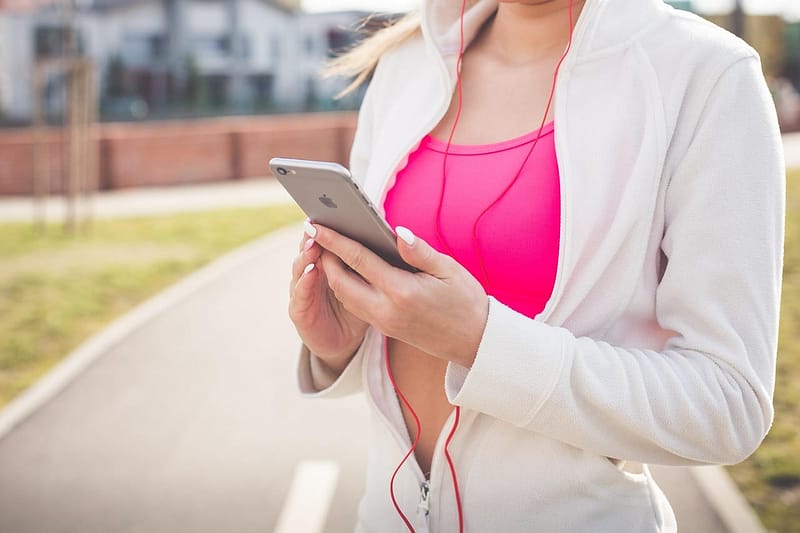
Wearable technology continues to dominate as the #1 fitness trend for 2026. Nearly half of all Australian adults now own a fitness tracker or smartwatch, and the focus is shifting from simple step counting to more meaningful health metrics.
In 2026, wearables will provide deeper insights into your body’s performance through recovery scores, heart rate variability, sleep quality, and movement patterns. This data goes far beyond calories burned—it helps you understand when your body is ready for intense training and when it needs active recovery instead.
The real power of wearables lies in personalisation. Two people attending the same group fitness class can now adjust their intensity zones based on their individual recovery data. Your fitness tracker talks directly to your training app, offering real-time feedback and helping your coach create a program tailored specifically to your needs. This technology-driven personalisation means you’ll get better results by training smarter, not just harder.
Fitness for Every Age and Ability
One of the most encouraging trends for 2026 is the continued emphasis on fitness programs for older adults. This isn’t about pushing yourself to exhaustion—it’s about maintaining strength, mobility, and independence for life.
Functional fitness is becoming the cornerstone of programming across all ages. This approach focuses on movements that translate to real life: carrying groceries, climbing stairs, playing with grandchildren, or simply maintaining balance during daily activities. Instead of isolating individual muscles with machines, functional training uses compound movements like loaded carries, kettlebell exercises, and bodyweight movements that build practical strength.
For younger Australians, this trend still applies. Functional fitness prevents injuries, improves posture, and ensures that the strength you build actually helps you in your everyday life. It’s a shift away from training just for appearance and toward training for capability and longevity.
Mindful Movement and Recovery
The relationship between mental health and physical fitness has never been more important. Exercise for mental health ranks in the top five trends for 2026, with 78% of exercisers citing mental and emotional wellbeing as their primary reason for training.
Pilates, yoga, and tai chi are experiencing a resurgence as Australians embrace mindful movement. These practices are evolving too—combining traditional breathwork with gentle resistance, meditation, and mobility work. They’re no longer seen as passive stretching sessions but as essential training that regulates your nervous system, improves sleep, and reduces stress.
Recovery itself has become an active fitness discipline. Instead of viewing rest days as downtime, trainers now program intentional low-intensity sessions—breathwork, guided stretching, mobility work—as part of your overall training structure. This recognition that recovery is as important as intensity marks a significant shift away from overtraining toward sustainable fitness habits.
Technology Meets Personalisation
Mobile exercise apps continue to thrive, with over 345 million people using fitness apps globally and generating more than 850 million downloads. The convenience of on-demand classes, live-streamed sessions, and recorded workouts means you can train whenever, wherever it suits your schedule.
Hybrid training models are becoming the standard in 2026. You’re no longer limited to choosing between gym training or home workouts—you can follow a single program that seamlessly moves between both environments. The same coach guides you whether you’re in the studio or training from your living room. This flexibility is crucial for Australians juggling work, family, and personal commitments.
Data-driven technology is transforming how trainers design programs. Artificial intelligence now analyses your movement patterns, heart rate, sleep quality, and stress levels in real time, adjusting your workout accordingly. Early studies show up to 40% improvement in training results compared to static workout plans. AI learns from each session, recognising when your body needs recovery or when you’re ready for more intensive loads.
Weight Management and Exercise Science
Exercise for weight management has reached its highest ranking ever in the fitness trends survey, reflecting an important shift in how we talk about body composition. The term itself has evolved from “weight loss” to “weight management,” acknowledging that fitness goals vary—some people aim to lose weight, others to maintain, and some to build muscle.
The science is clear: exercise combined with proper nutrition creates sustainable results. In 2026, expect to see programs specifically designed around evidence-based approaches to body composition change, moving away from quick-fix diets and unsustainable routines toward long-term lifestyle modifications.
Strength Training for All
The democratisation of strength training is one of the most exciting trends for 2026. What was once considered the domain of bodybuilders and competitive athletes is now recognised as essential for everyone—regardless of age or gender.
Traditional strength training continues to be a core fitness trend, but it’s becoming more accessible and inclusive. Body-positive trainers of all shapes and sizes are breaking stereotypes and making it clear that anyone can benefit from resistance training. Whether you’re building strength for sport, work performance, or general health, the focus remains on proper technique and movement quality over ego-driven heavy lifting.
Social Connection and Community Fitness
New to the top trends is the growing interest in adult recreation and sports clubs—activities that combine fitness with fun and social connection outside traditional gym settings. The rise of pickleball leagues, community sports clubs, and recreation groups reflects Australians’ desire to stay active while building genuine community.
Boutique fitness studios continue to thrive across Australia, offering specialised coaching, supportive environments, and a sense of belonging. From HIIT studios to functional fitness spaces and mindful movement studios, these smaller facilities create accountability and motivation through community connection.
Practical Tips for 2026 Fitness Success
Invest in a wearable: Start tracking your recovery metrics, not just steps. Use the data to make informed decisions about when to train hard and when to prioritise recovery.
Try one new trend: Whether it’s a Pilates class, a hybrid training program, or a local sports club, experiment with at least one trend that interests you. Consistency beats perfection.
Balance intensity with recovery: Structure your week to include both challenging sessions and intentional low-intensity recovery work. Your body—and mind—will thank you.
Focus on functional movement: When choosing exercises, ask yourself: “How does this help me in real life?” Choose movements that improve strength, mobility, and everyday capability.
Embrace flexibility: Use hybrid training options to fit fitness into your life, not the other way around. Consistency matters more than perfection.
Looking Ahead to a Stronger 2026
The fitness trends emerging for 2026 share a common thread: they prioritise sustainability, personalisation, and wellbeing over quick fixes. Whether you’re drawn to wearable technology, mindful movement, functional strength, or community-based activities, there’s a trend designed for your needs and lifestyle.
The year ahead offers an exciting opportunity to move beyond tired fitness stereotypes and embrace an approach to training that actually works—one that makes you stronger, healthier, more resilient, and genuinely happier. The best fitness trend for you is the one you’ll actually stick with, so explore, experiment, and find what resonates with your values and goals.
Your stronger, healthier 2026 starts now. Choose one trend, commit to it, and watch how it transforms not just your fitness, but your entire approach to wellbeing.

- Understanding Food Allergies: Symptoms and Solutions- November 20, 2025
- Top Wellness Apps for Australians in 2026- November 20, 2025
- The Science Behind Stress: How to Manage It Effectively- November 20, 2025